Will It Fit the Room and the Route In?
Measure the intended placement area, then check doorways, hallways, stair turns and any tight access points the piece must pass through before it reaches the room.

Choose With Confidence
Furniture should fit the room, support the way you live and still feel right after the first impression fades. This guide brings together practical ways to compare scale, function, placement, materials and supporting pieces before you make a decision.
Before You Buy
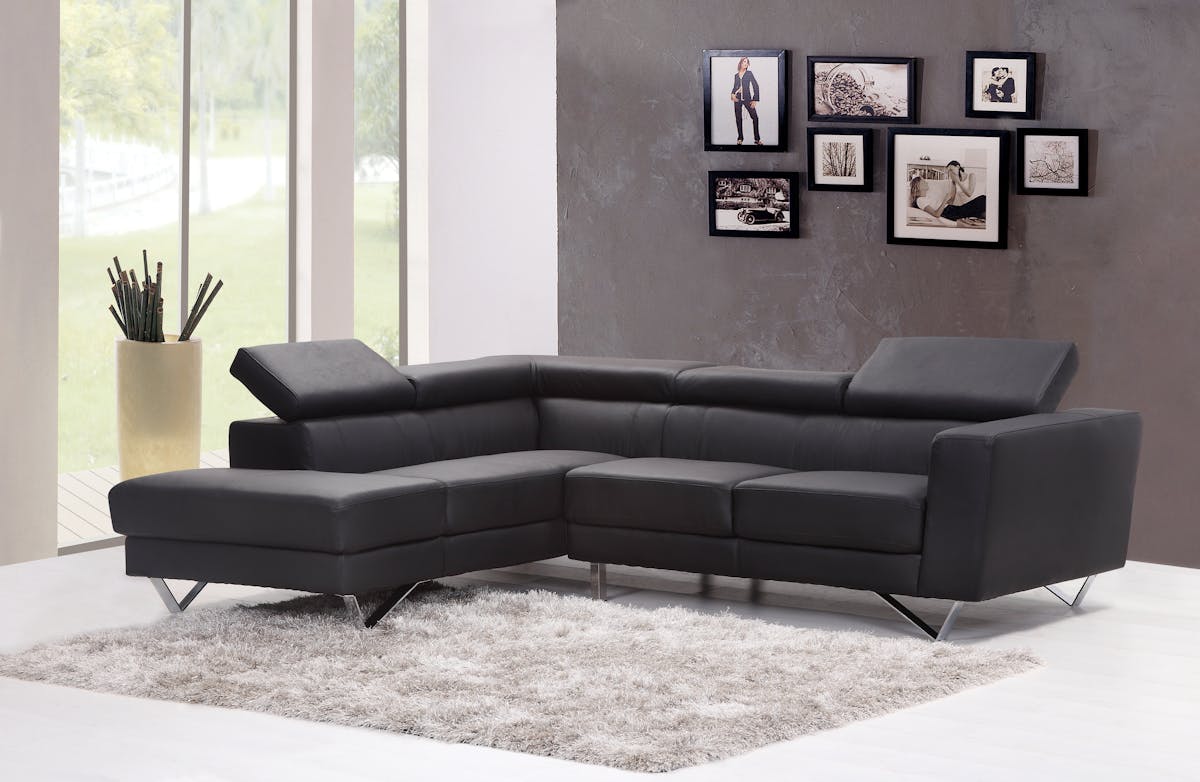
A good furniture choice begins before comparing finishes or decorative details. Start by understanding the room, the role the piece needs to play and the amount of visual weight the space can comfortably hold.
Measure the intended placement area, then check doorways, hallways, stair turns and any tight access points the piece must pass through before it reaches the room.
Decide whether comfort, storage, flexibility, display, dining capacity or occasional use is the primary need before comparing styles.
Consider not only width and depth, but also height, visual bulk, leg style and the amount of open space that will remain around the piece.
Sofas & Seating
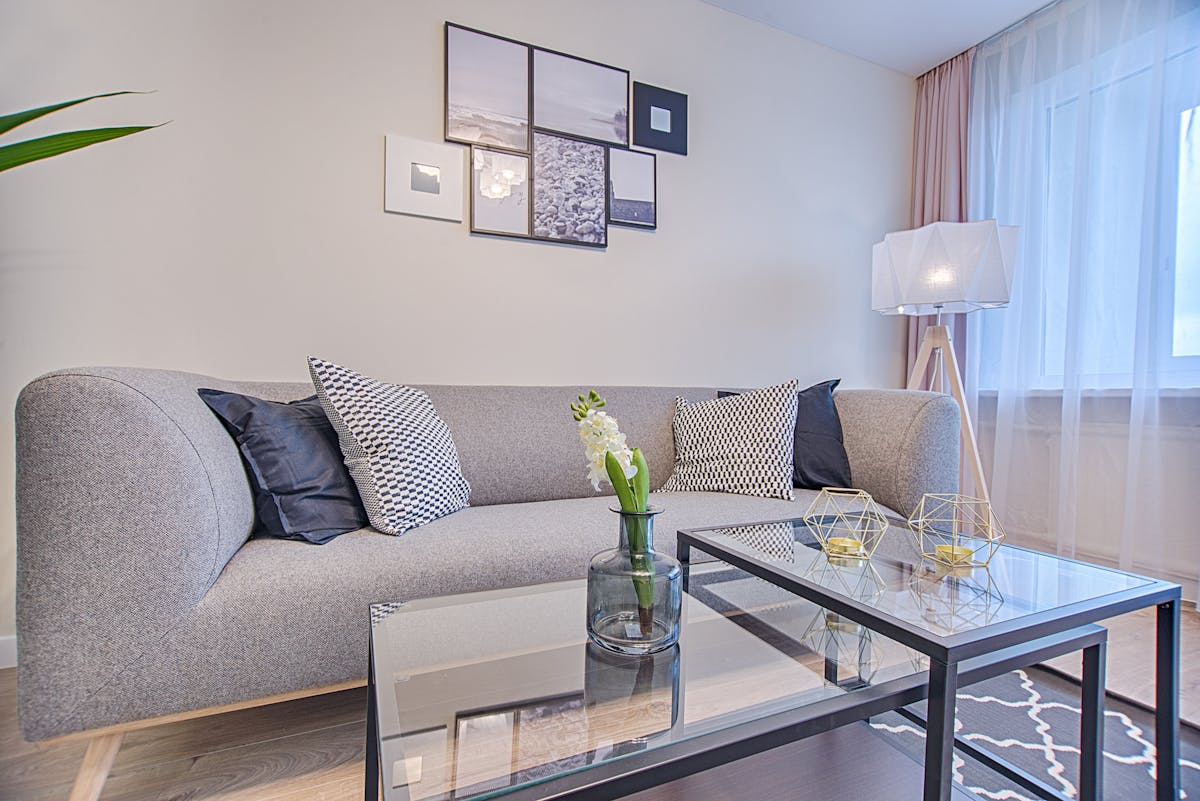
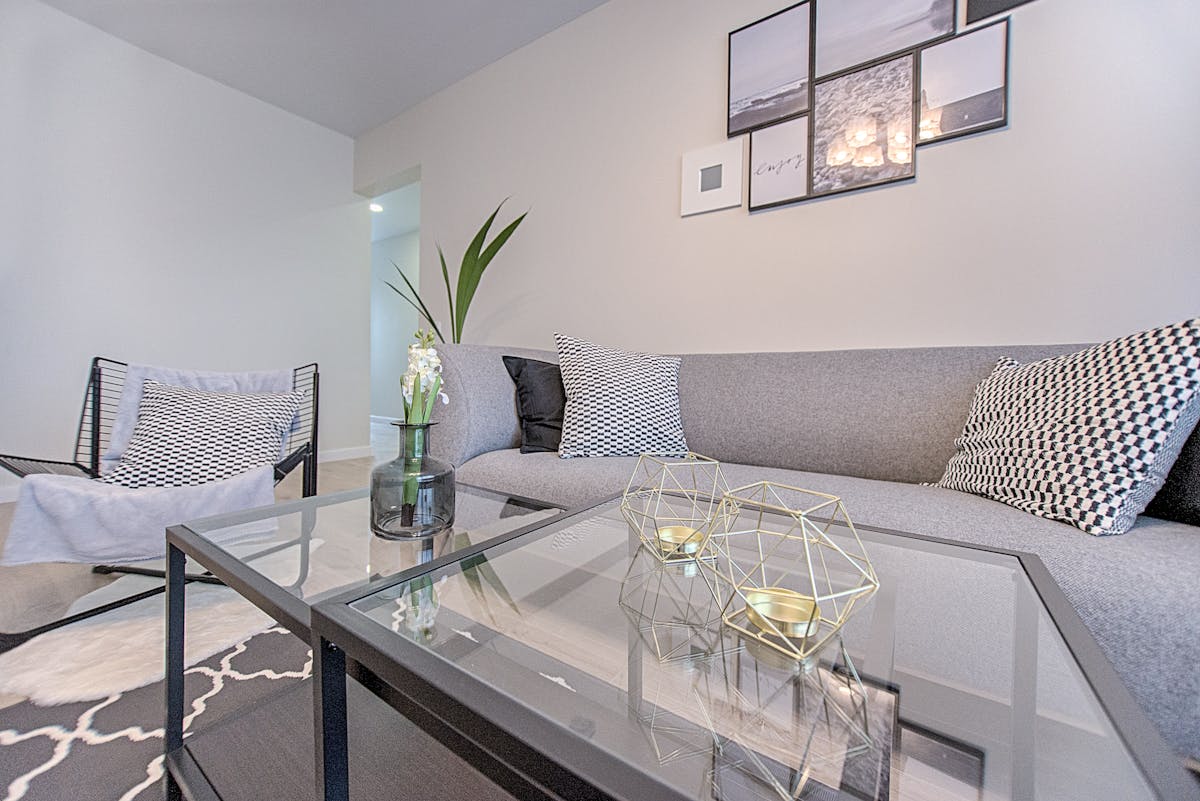
Seating often carries the most visual and physical weight in a living room. Choose the arrangement around how many people use the space, how the room is entered and where conversation, media viewing or relaxation naturally happens.
Check total width, depth and chaise or sectional extensions against the room before styling around the piece.
Leave enough open floor around the seating so the room remains easy to enter, cross and use.
Deeper seating can feel relaxed and lounge-like, while more upright proportions can suit conversation and smaller rooms.
Pair seating with a proportionate coffee table, rug and lighting so the arrangement reads as one intentional area.
The Buying Framework
Use this framework for large furniture, compact accents and everything in between. It keeps the decision grounded in the room rather than in a product image alone.
Review width, depth and height against the room and compare them with furniture you already know fits comfortably.
Doorways, hallways, stairs and turns can matter as much as the final room dimensions for larger pieces.
Prioritize the purpose that matters most—seating capacity, storage, dining, display, bedside use or flexibility.
Consider nearby lighting, rugs, wall space, storage and circulation so the new piece belongs to the wider composition.
Tables & Storage
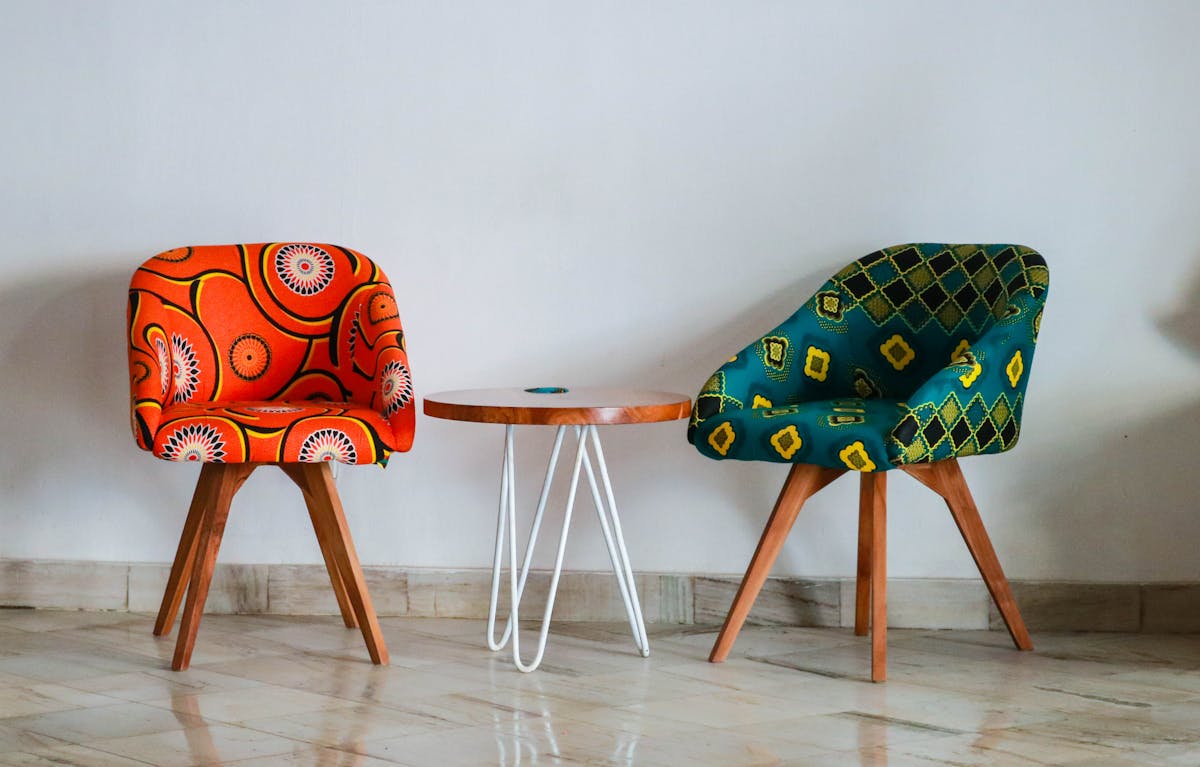
Tables, media furniture and storage pieces often sit close to seating or architectural edges. Their proportions should support the room rather than make it feel crowded, top-heavy or visually fragmented.
Side tables, coffee tables and consoles should relate naturally to nearby seating and the surfaces they support.
Open shelving keeps objects visible, while closed cabinets create a quieter visual field for everyday storage.
Do not fill every wall edge. A little negative space can make storage furniture feel more architectural.
Make sure surrounding furniture leaves room for cabinet doors, drawers and pull-out functions to operate comfortably.
Fit & Delivery
The final placement is only one part of fit. For larger furniture, the route from the exterior entry to the intended room matters too. Check every transition point before ordering.
Confirm the available width, depth and height where the furniture will live.
Measure the narrowest openings and consider how the piece may need to rotate or turn during entry.
Tight stair landings, ceiling height and sharp turns can limit the angle available for larger furniture.
Clear the intended area and keep order details available so the arrival can be reviewed promptly.
Beds & Dining Furniture
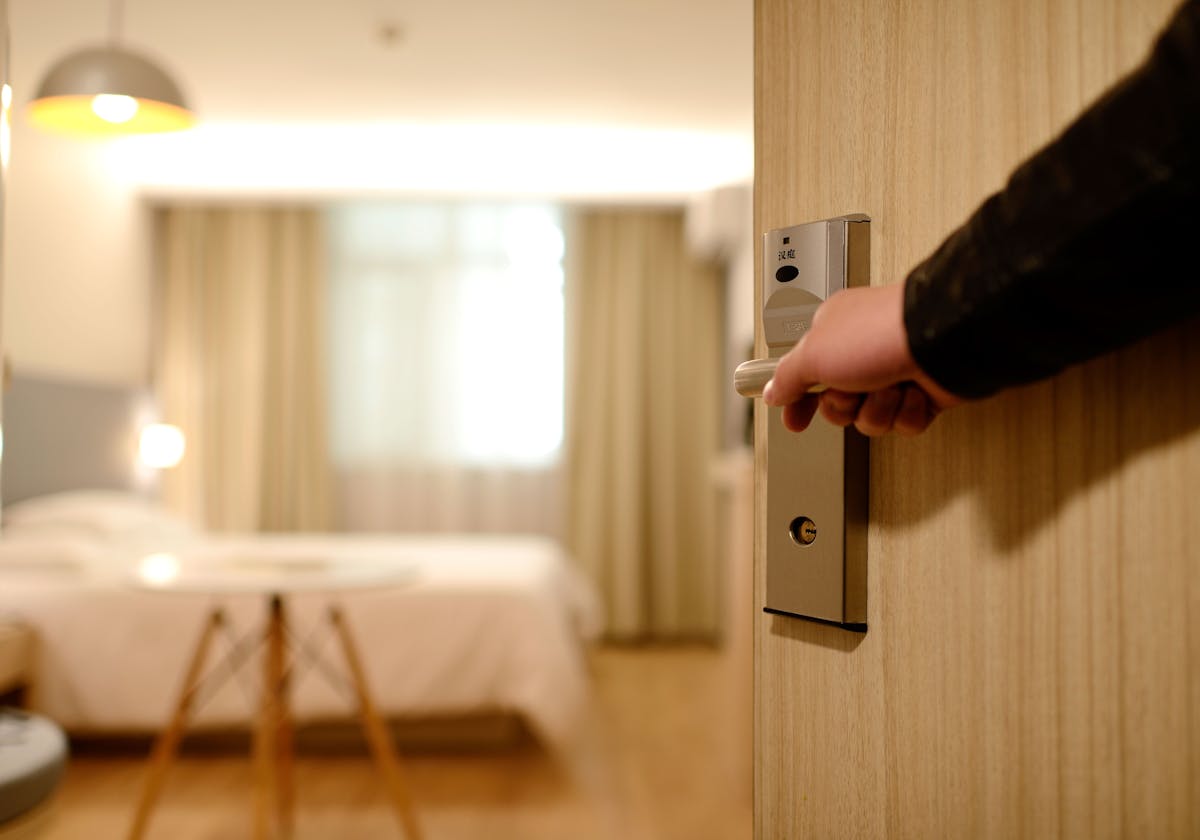
Beds and dining tables create large fixed zones. Their success depends on more than footprint alone: consider how easily you can move around them, open nearby storage and use adjacent chairs, benches or nightstands every day.
Allow comfortable circulation around the bed or dining table rather than using every available inch.
Nightstands, dressers, chairs and sideboards should remain usable without colliding with the primary piece.
Dining spaces need room for chairs to pull back comfortably while keeping the passage around the table clear.
Bedside lamps and dining pendants can reinforce the function of the space without adding more furniture.
Finishing Decisions
Once the largest pieces are settled, the room becomes easier to finish. Rugs can define the zone, lighting can add height and depth, curtains can soften architecture and decorative accents can bring personality without competing with the furniture.
Choose a rug that relates to the furniture arrangement rather than floating independently in the room.
Combine overhead, table, floor or wall lighting so the room has both functional and atmospheric options.
Carry a wood tone, metal finish or textile family through a few pieces to create continuity without overmatching.
Mirrors, wall art, vases and sculptural objects work best when they strengthen the room rather than fill every surface.
Browse by Product Type
The same buying principles—fit, function, proportion, access and context—can be applied across Nestoria’s full furniture and home collection.
Shipping is free on every Nestoria product.
Orders have an expected delivery time of 3–5 calendar days.
Free returns and exchanges are available within 30 days.
Support is available around the clock for product, order and delivery questions.
Buying Support
Whether you are checking dimensions, comparing furniture types, reviewing an order or arranging a return or exchange, Nestoria support is available 24/7 to help keep the next step clear.
Contact Nestoria