Anchor the Room
Start with the largest furniture piece—the sofa, bed, dining table or primary storage unit—because it establishes scale, movement and the room’s main function.

A Room-by-Room Edit
Build your home by how each space is lived in. Nestoria brings furniture, lighting, textiles, storage and decorative accents together in room-focused edits that make it easier to see how individual pieces can work as one considered interior.
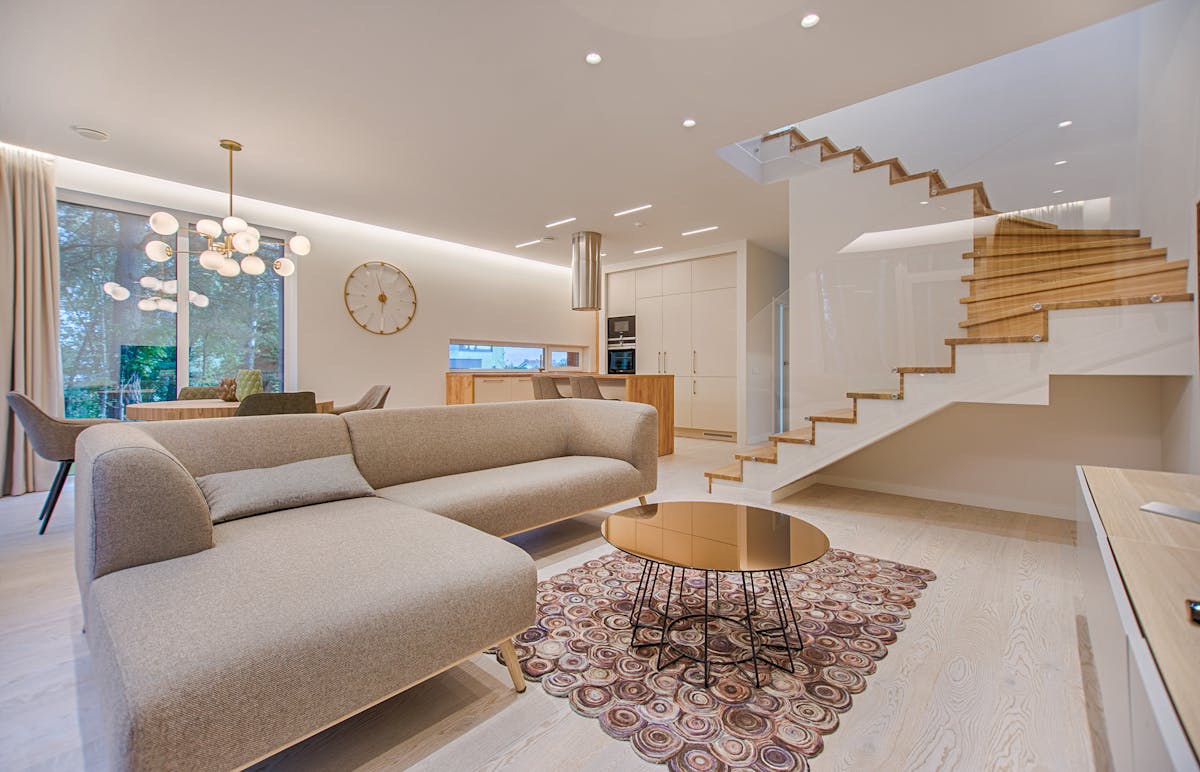
Start With the Space
Instead of shopping category by category, begin with the room. Think first about function and scale, then add organization, atmosphere and finishing layers in a sequence that keeps the space visually balanced.
Start with the largest furniture piece—the sofa, bed, dining table or primary storage unit—because it establishes scale, movement and the room’s main function.
Use ceiling, floor, table and wall lighting to create depth and help the room adapt from practical daytime use to a softer evening mood.
Rugs, curtains, cushions, mirrors, wall art and decorative objects should strengthen the room after the larger pieces are already working together.
Living Room
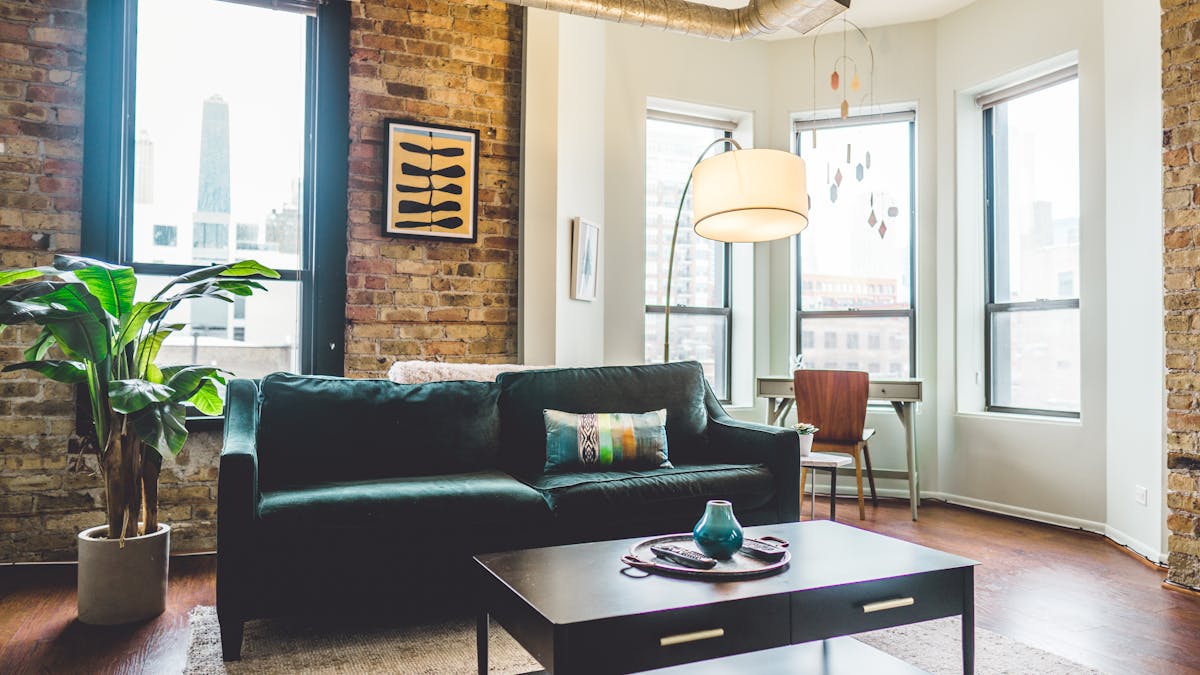
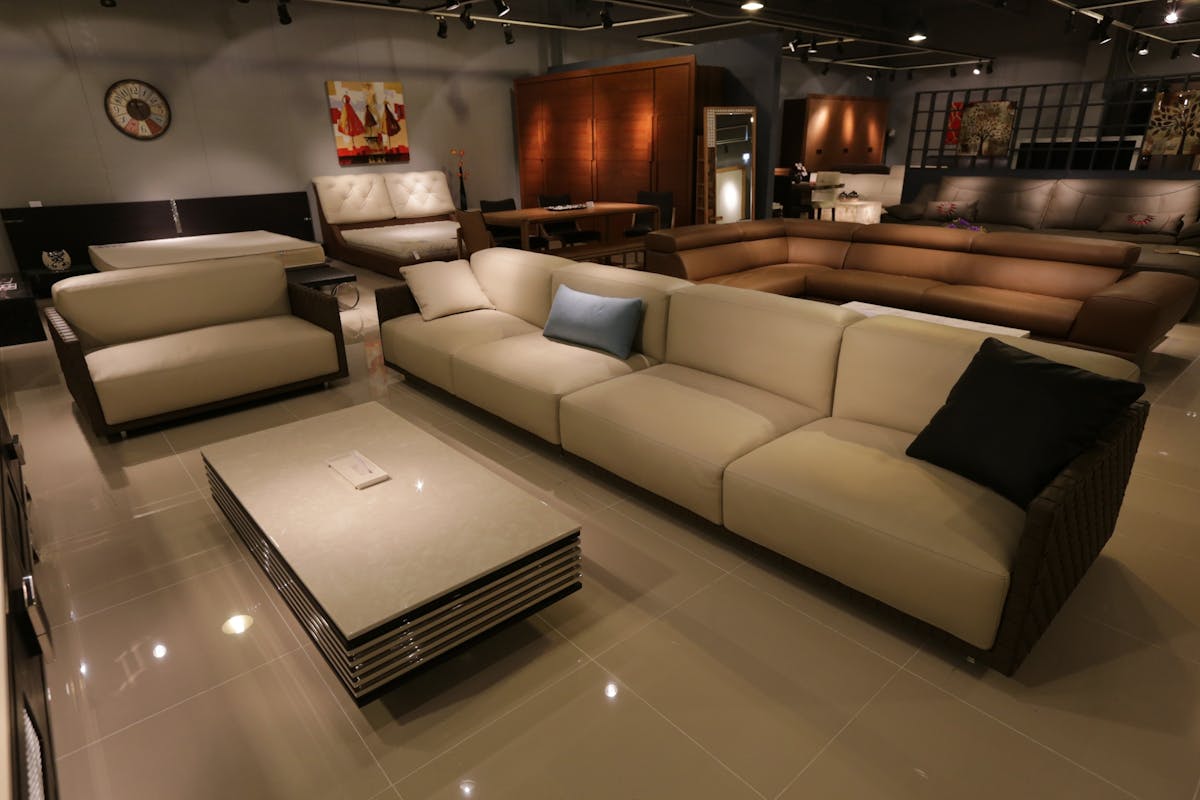
The living room works best when comfort and visual order arrive together. Start with seating, define the center with a coffee table, introduce side surfaces where useful and use lighting, rugs and storage to complete the room without crowding it.
Use the sofa or primary seating group to establish scale and the direction of conversation.
Choose a coffee table that supports the seating arrangement without interrupting circulation.
Media furniture, cabinets and shelving can organize the room while giving decorative pieces a clear place.
Add rugs, cushions, throws and layered lighting only after the main furniture proportions feel settled.
Bedroom
A bedroom benefits from fewer, better-defined layers. Let the bed anchor the room, keep bedside furniture proportional and use textiles, soft lighting and considered storage to create calm without making the space feel sparse.
Use the bed frame and bedding as the room’s primary visual anchor and keep surrounding pieces supportive.
Nightstands and lamps should feel connected to the bed without visually overpowering it.
Dressers and wardrobes can bring order while maintaining a calm, uncluttered visual rhythm.
Curtains, throws, cushions and warm lighting help the room feel finished without adding unnecessary decoration.
The Nestoria Room System
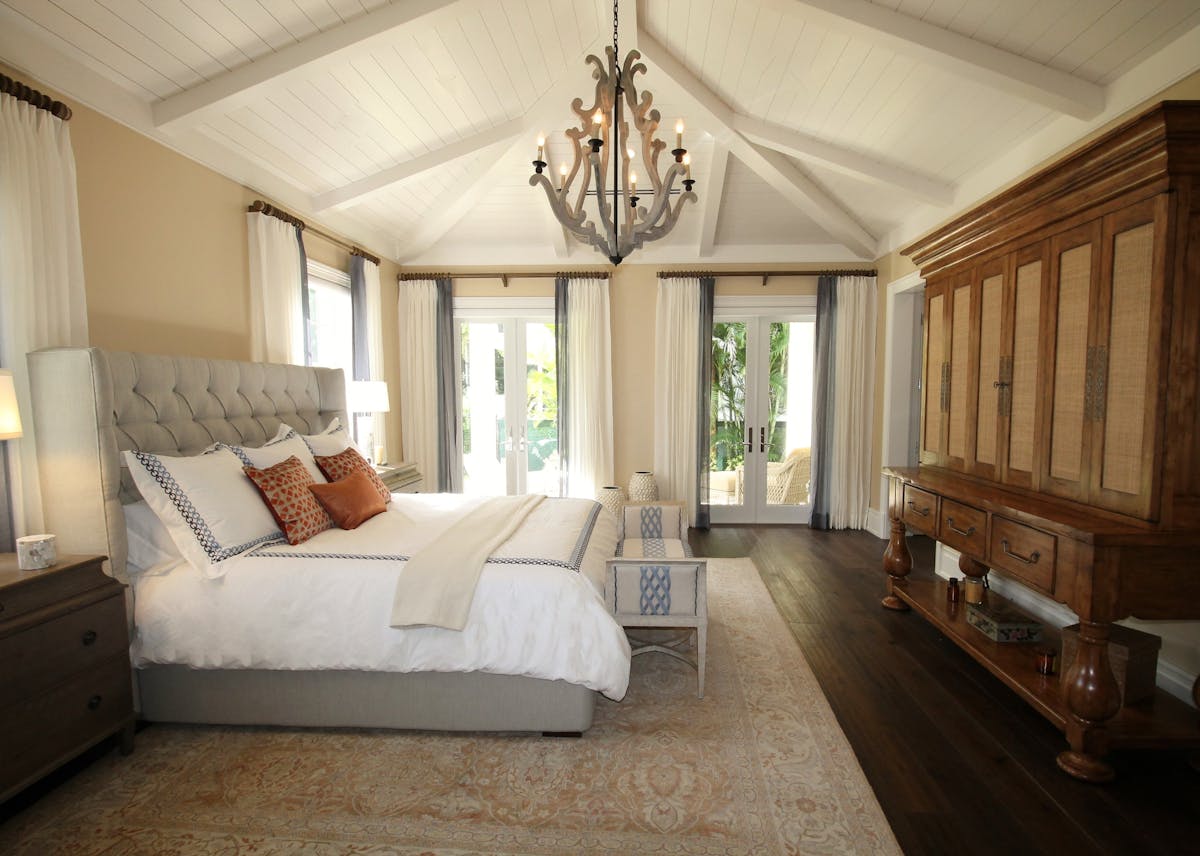
Every room can be read through the same four layers. The categories change, but the logic remains consistent—foundation, organization, atmosphere and finish.
Sofas, beds, dining tables and larger storage pieces establish the room’s function, proportion and movement.
Bookcases, cabinets, benches, baskets and organizers give everyday objects a considered place.
Ceiling, floor, table and wall lighting create depth and help the room feel different across the day.
Rugs, curtains, cushions, mirrors, art and decorative accents complete the composition without overwhelming it.
Dining Room
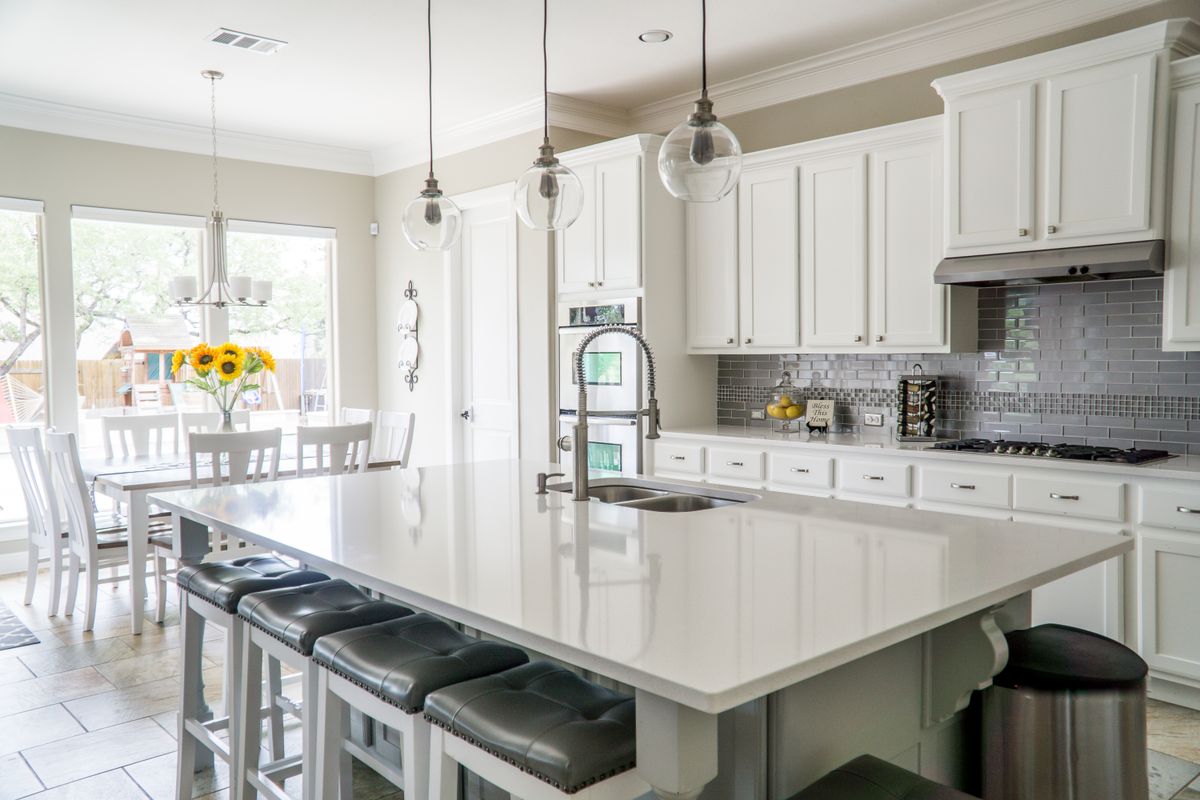
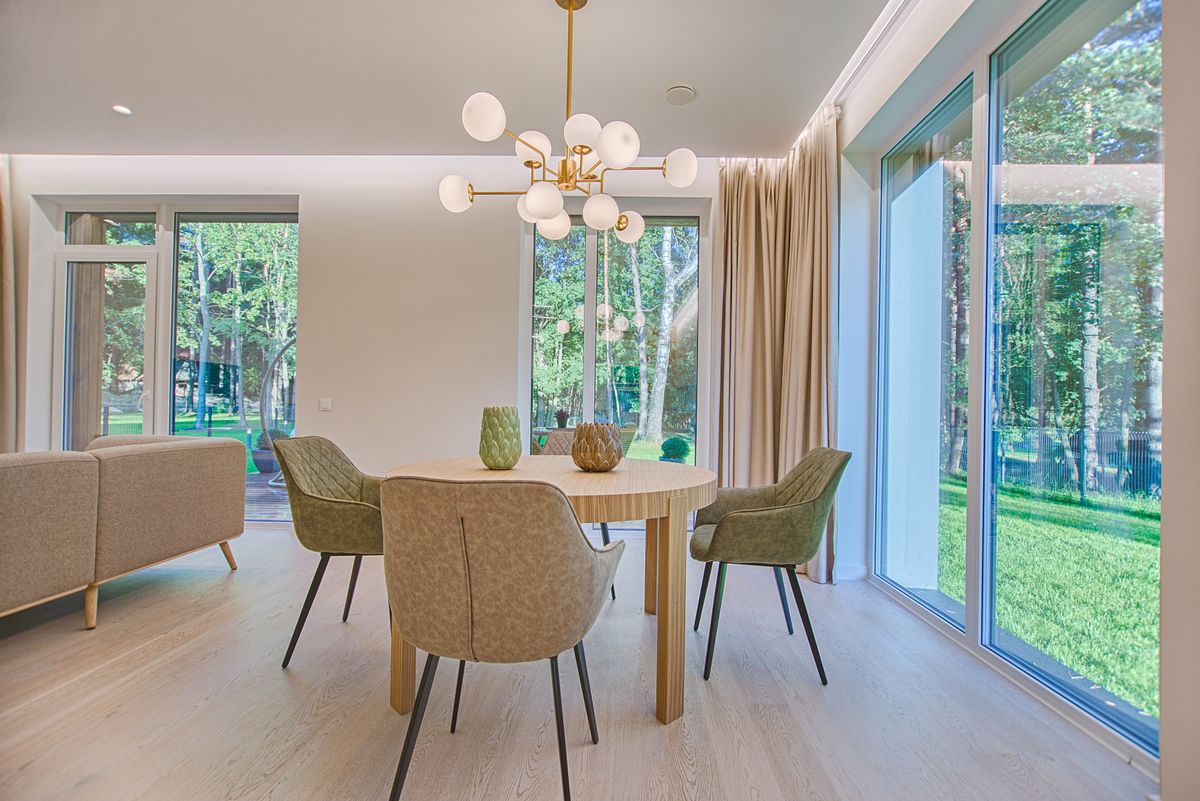
Dining spaces feel strongest when the table, chairs, lighting and storage read as one composition. Prioritize comfortable circulation around the table, keep the lighting centered and use a sideboard or cabinet to support the room without competing with it.
Use the dining table to establish the room’s main footprint and relationship to surrounding circulation.
Dining chairs should support longer meals while staying proportional to the table and the room.
A pendant or chandelier can define the dining zone and add atmosphere without filling the table surface.
A sideboard or cabinet can keep serving pieces and table essentials close while maintaining visual order.
Entryway
The entryway is small but influential. A bench, slim storage piece, mirror, hooks and one useful light can create order immediately while setting the tone for the rest of the home.
Use a bench, console or compact cabinet to give everyday arrivals a clear surface or seat.
Wall hooks, a key organizer or shelving can add useful storage without taking up valuable floor space.
An entry mirror can reflect light, open the space visually and support one last check before leaving home.
A restrained finish makes the transition into the rest of the home feel calmer and more cohesive.
Whole-Home Edit
Use the full Nestoria collection to connect rooms through repeated materials, related proportions and a consistent balance of furniture, storage, lighting and finishing layers.
Connect the Rooms
A cohesive home does not require every room to look identical. Repeat a few material tones, lighting ideas or shapes, then let each space respond to its own function. This creates continuity without making the home feel overly coordinated.
Carry a warm wood tone, metal finish or woven texture into more than one room.
Use related shapes in different sizes so the home feels connected without feeling matched.
Similar warmth and lighting layers can create continuity even when furniture styles shift between rooms.
Keep the overall language coherent while letting living, sleeping, dining and entry spaces feel distinct.
Shipping is free on every Nestoria product.
Orders have an expected delivery time of 3–5 calendar days.
Free returns and exchanges are available within 30 days.
Support is available around the clock for product, order and delivery questions.
Plan With Confidence
Whether you are comparing furniture dimensions, deciding how to layer lighting, reviewing an order or arranging a return or exchange, Nestoria support is available 24/7 to help keep the next step clear.
Contact Nestoria